Thematic Reports
From evidence to action
IWRA continues to address the most pressing and relevant world water challenges and priorities related to policy and governance, both specific to water and in general, through specific publications in special issues series.
These publications aim at disseminating new knowledge on the policy and governance of water resources to a very broad and diverse readership all over the world. The series is of direct interest to all policy makers, professionals and lay readers concerned with obtaining the latest perspectives on addressing the world’s many water issues.
Explore our thematic reports which cover a range of themes, including Water Resources, Water Security, Islands, Smart Water Cities, Smart Water Management, and Water Quality.
Water Resources
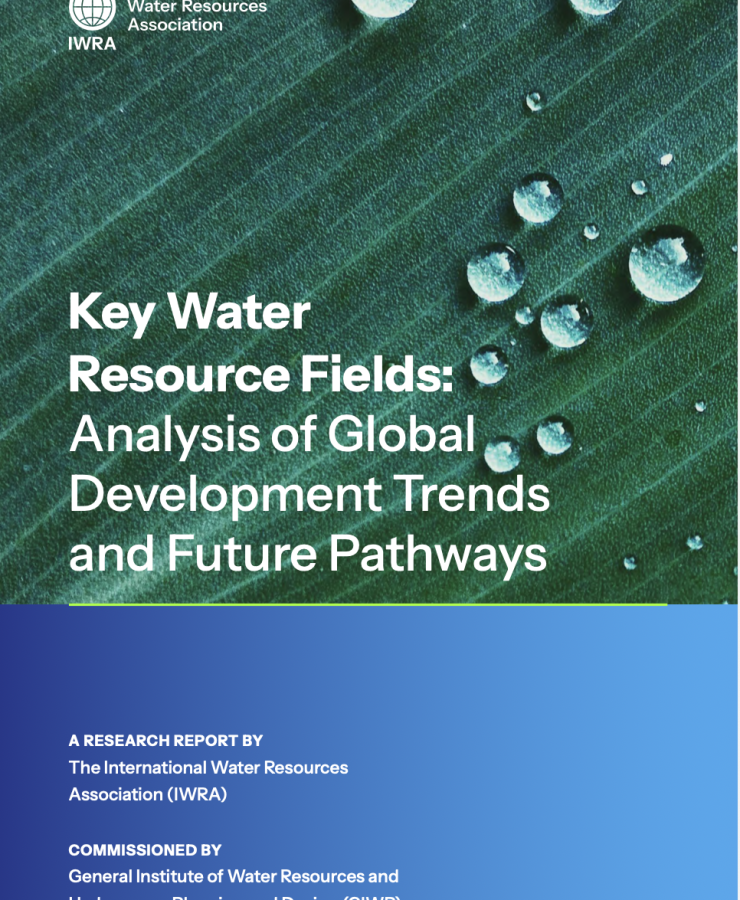
In January 2025, IWRA partnered with the General Institute of Water Resources and Hydropower Planning and Design (GIWP) to develop a strategic research report on global water trends and future pathways.
The report focuses on five key areas: water management philosophy, resource protection, sustainable use, groundwater practices, and river basin digital twin technologies.
Water Security
There is an urgent need to conduct research on emerging and future global water security issues in the context of the Sustainable Development Goals. To document relevant research on water security issues, UNESCO Headquarters and UNESCO i-WSSM (International Centre for Water Security and Sustainable Management) are co-publishing the Global Water Security Issues (GWSI) Paper Series. IWRA is assisting with the GWSI Paper Series publication, including editing and peer review services by IWRA.
Given the complexity and range of the topic of water security, a different theme is selected for each issue. The themes for UNESCO and UNESCO i-WSSM Global Water Security Issues (GWSI) Series include the following:
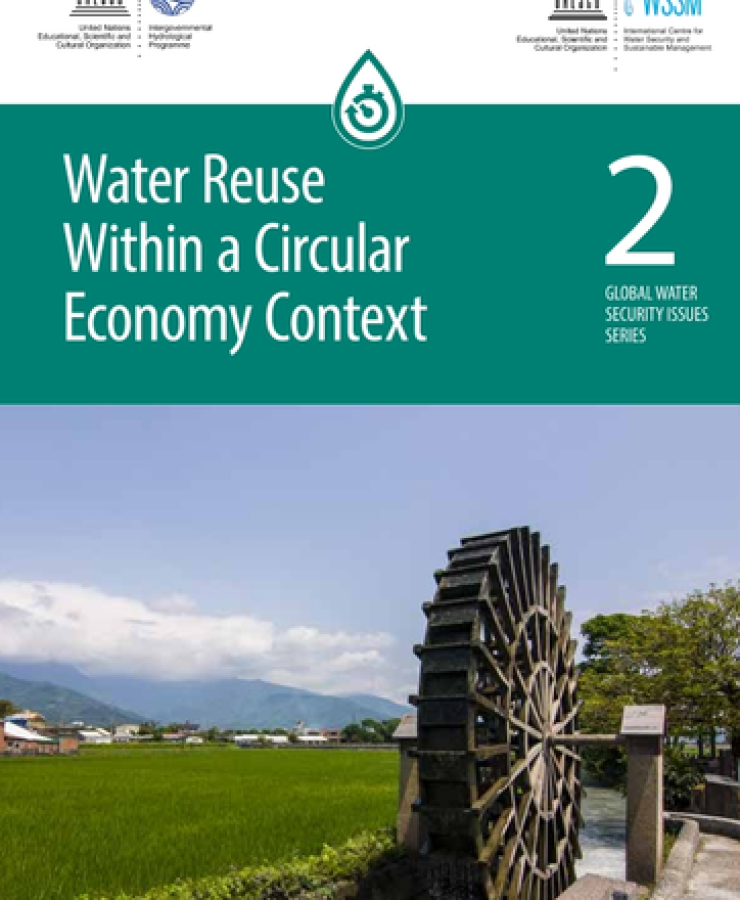
- Water Reuse within a Circular Economy Context, Issue 2 (2020)
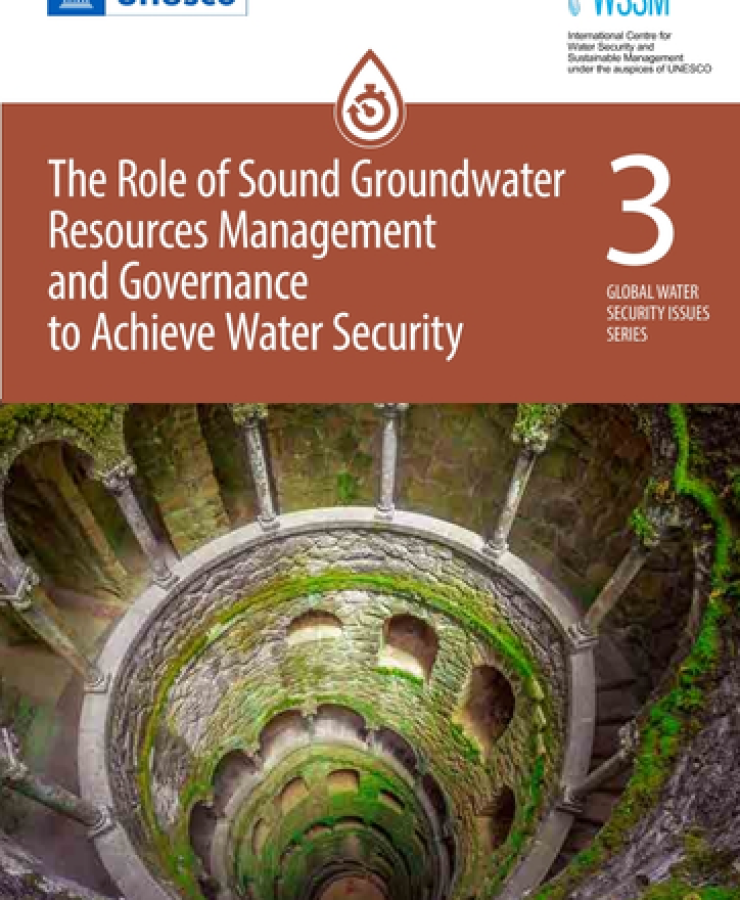
- The Role of Sound Groundwater Resources Management and Governance to Achieve Water Security, Issue 3 (2021)
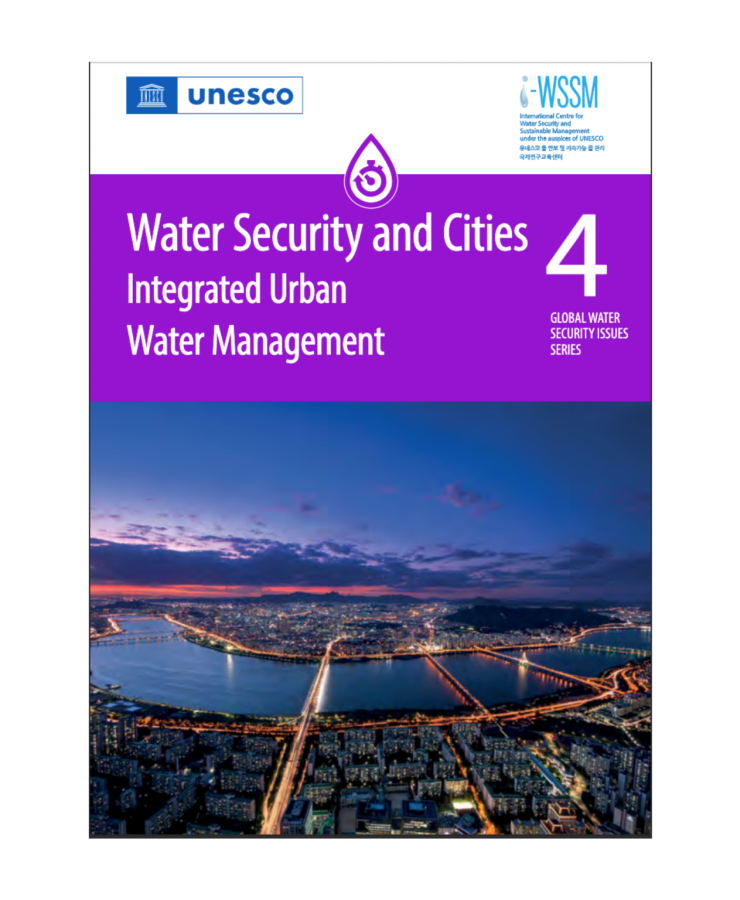
- Water Security and Cities – Integrated Urban Water Management, Issue 4 (2023)
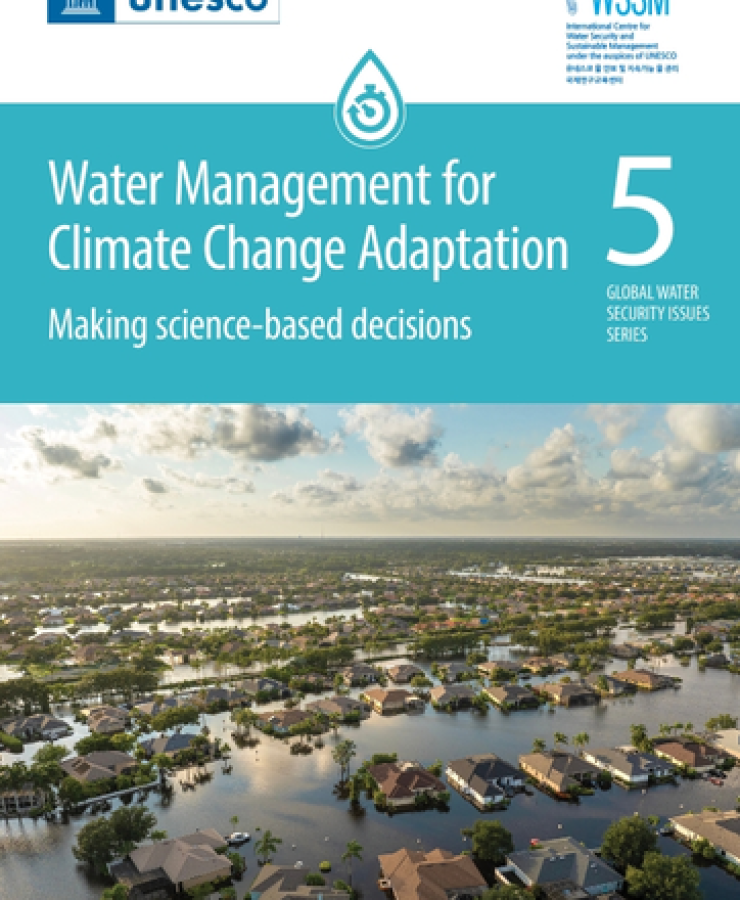
- Water management for climate change adaptation: making science-based decisions, Issue 5 (2025)
Two additional issues are in production, one with the theme ‘Biodiversity Protection and Water Security’, and one with the theme ‘Water and Gender: Towards women’s equal rights and opportunities’.
Islands
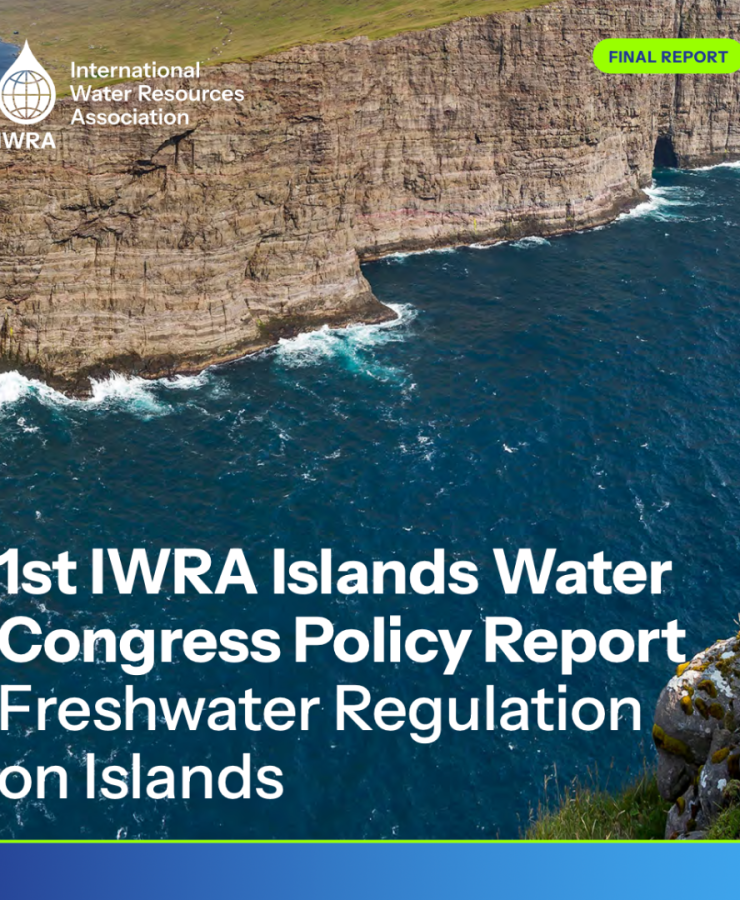
The key findings of the Islands Water Congress, one of the world’s leading events dedicated specifically to freshwater management on islands
Smart Water Cities
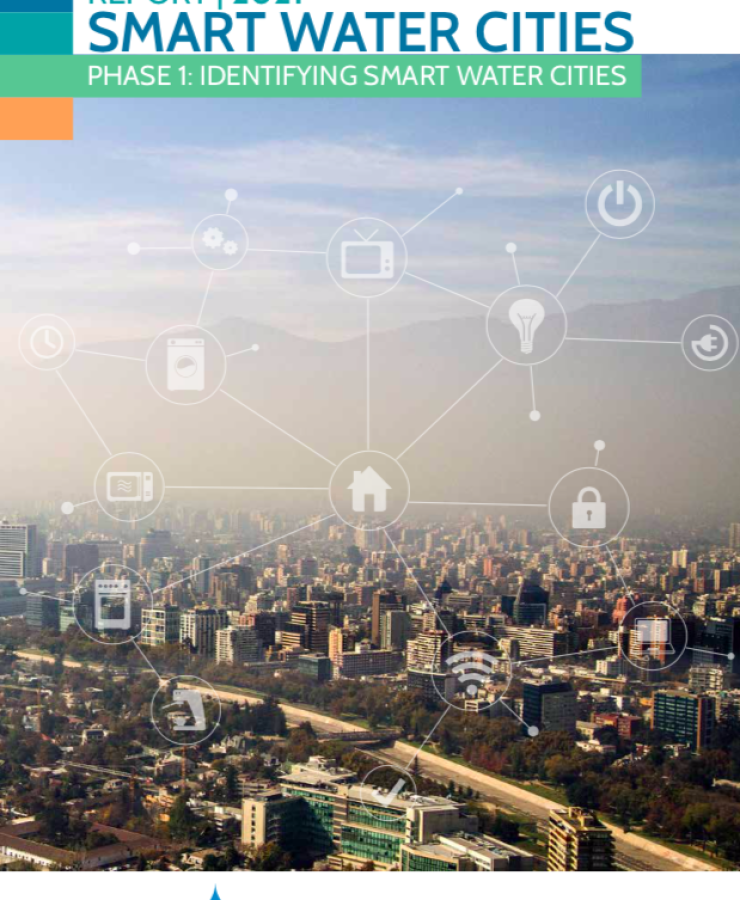
The Smart Water Cities project (2020–2023), led by IWRA in collaboration with K-water and the Asia Water Council, explored how smart technologies can improve urban water management. It analysed implementation conditions, global standards, and performance indicators, while developing an international certification framework.
Smart Water Cities: Phase One
Smart Water Cities: Phase Three
Smart Water Management
The Smart Water Management (SWM) Case Study Project (2017–2018), undertaken in collaboration with K-water, aimed to advance the adoption of SWM by addressing current water challenges, showcasing global best practices, and supporting decision-makers with insights on key enablers and barriers. It also explored the role of SWM in contributing to the achievement of the Sustainable Development Goals.
- The full report in high resolution (89 MB)
- The full report in low resolution (21 MB)
- The executive summary
- Individual SWM case studies:
KHIT, Seosan, Paju, Paris, China, FDMT, Mexico, Africa,
Canada, Europe - Individual text boxes: Azerbaijan, Bali, Uganda, India, Bolivia, Argentina, India,
Pakistan, Australia - The brief report (Executive Summary, Introduction, Analysis/Discussion, Conclusion and References)
Water Quality
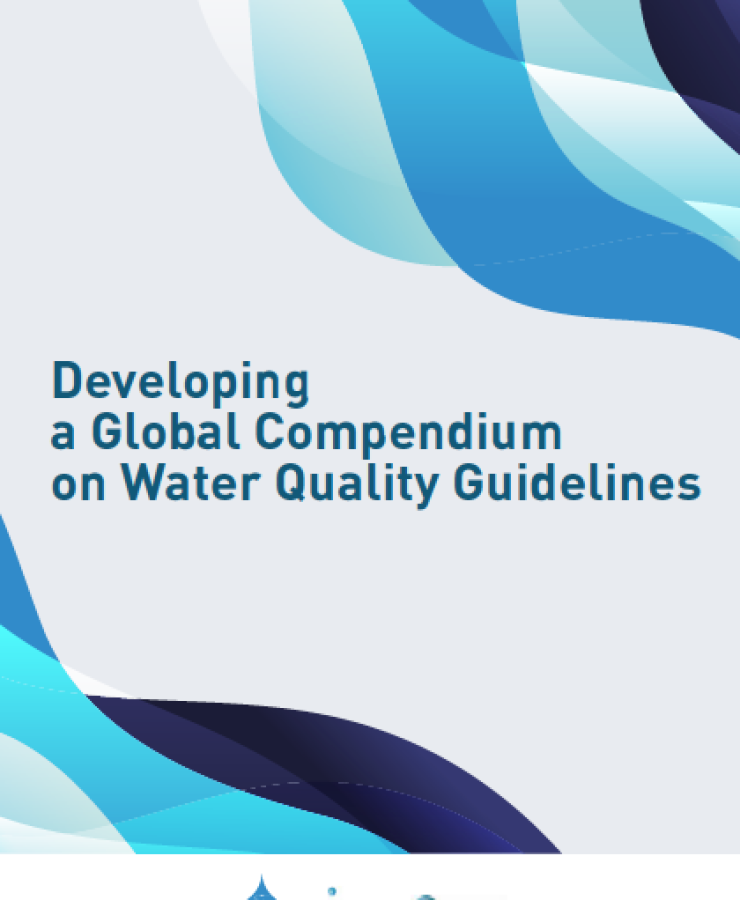
IWRA produced the “Developing a Global Compendium on Water Quality Guidelines” report in collaboration with the World Water Council. This report collects and examines examples of existing recommendations for influent water quality, as applied to various human and ecosystem uses. It provides examples and analysis of existing water quality guidelines. Building on these case studies, the report explores new perspectives, and raises pertinent questions for future work on the topic, including what an online compendium of such guidelines might look like.